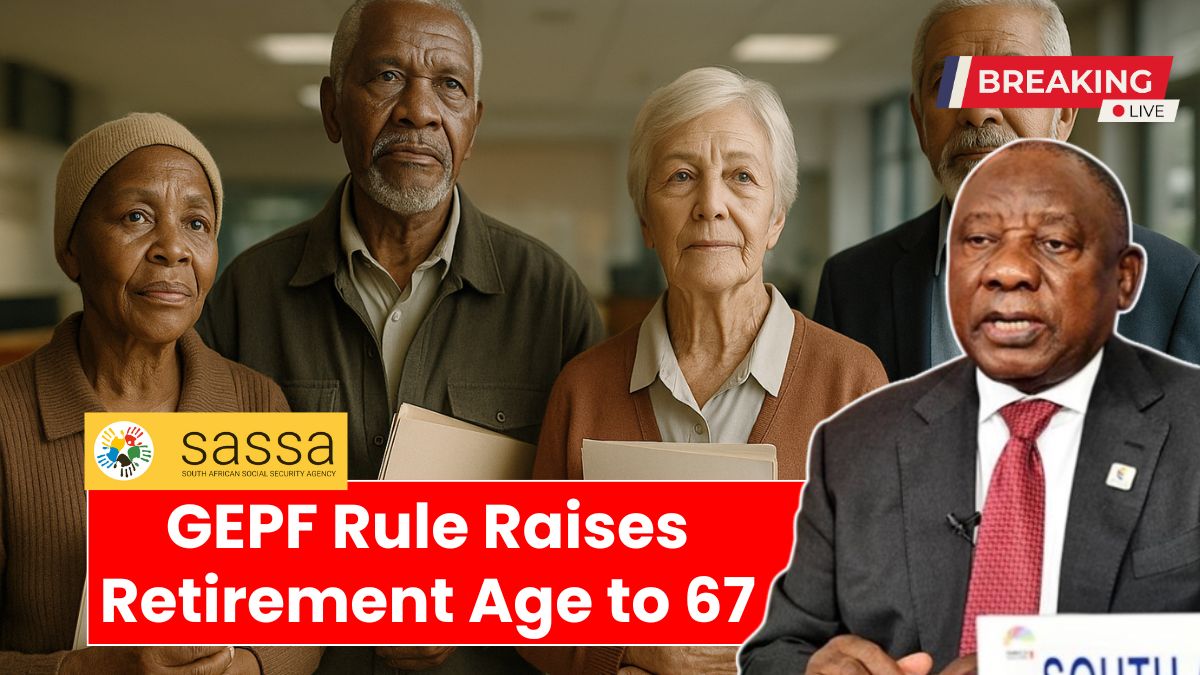
GEPF Retirement Age Increase – South Africa’s Government Employees Pension Fund has rolled out a major policy change that will see the official retirement age rise to 67 starting from 1 December. This new mandatory age threshold is set to affect thousands of public-sector workers across the country, especially those who are nearing the end of their careers or actively planning their retirement. While the announcement has sparked mixed reactions, the intention behind the move is to strengthen the long-term sustainability of the pension fund and ensure it continues to support members well into the future. For many employees, this update means revisiting their retirement plans, rethinking timelines, and understanding how extended service could shape their financial security.
GEPF Raises Retirement Age to 67
The increase in the retirement age from the traditional 60 or 65 to 67 marks a notable shift in how government employees will approach the final years of their working life. The GEPF has made it clear that this decision is part of a broader effort to align pension policies with modern economic realities and longer life expectancy trends. Simply put, people are living longer, and the pension system needs to adapt so it can continue paying benefits without placing undue strain on the fund.
For many workers, the immediate question is how this change will impact their personal plans. Some had already set a mental finish line for retirement, while others were just beginning to map out their future. With the retirement age now extended, employees may find themselves working a few more years than originally planned. However, this change also brings potential benefits, particularly in terms of higher pension payouts and improved financial stability in later life.

GEPF Retirement Age Increase Explained in Simple Terms
At its core, the new policy means that all active GEPF members will now have a standard retirement age of 67 from 1 December onwards. This does not necessarily mean everyone must work until that age regardless of circumstances. Early retirement options still exist, but choosing to retire before 67 will usually result in reduced benefits. These reductions take into account the shorter contribution period and the longer period over which the pension may need to be paid.
The reasoning behind this change is straightforward. By encouraging longer service, the fund benefits from continued contributions, while members potentially enjoy more substantial monthly pensions once they retire. More years on the job generally mean more money paid into the fund and a stronger financial base when it’s time to step away from full-time work. In this sense, the policy is designed to balance the needs of both the fund and its members, aiming for a system that remains fair and sustainable in the long run.
How Extended Working Years Impact Pension Growth
One of the key factors employees should consider is how staying in service until 67 could affect their pension amount. With each additional year of service, members contribute more to the fund, which can significantly increase the final benefit. This extended contribution period allows for better accumulation of pension credits, making the eventual payout more comfortable and reliable.

For someone who may have been planning to retire at 60 or 65, the idea of staying on longer might feel daunting at first. However, many workers will find that the extra years can lead to improved income security, especially during the later stages of retirement when medical and living costs tend to rise. In practical terms, a larger monthly pension can offer peace of mind, reduce financial stress, and provide greater flexibility in how retirees choose to live their post-employment years.
New GEPF Pension Rules for South African Workers
With the policy coming into effect, employees are encouraged to familiarise themselves with the updated rules and how these apply to their individual situations. The changes affect exit age, contribution period, benefit calculations, and overall retirement planning. For workers who are significantly far from retirement, this update may simply become part of their long-term career outlook. For those closer to retirement, however, it may require more immediate action and careful financial assessment.
Members should take the time to review their projected benefits under the new system and compare them with their previous plans. Consulting with GEPF representatives or financial advisors can help clarify whether staying in service longer or opting for early retirement makes more sense based on personal needs, health considerations, and lifestyle goals. The goal is not just to retire, but to retire with confidence and adequate financial support.

Impact of the New Retirement Rules from 1 December
From 1 December, the updated retirement age will be applied to all eligible GEPF members, particularly those approaching their expected exit date. Employees who were preparing to retire soon may find that their timeline has shifted, unless they choose to opt for early retirement with adjusted benefits. This has led many to re-evaluate plans tied to housing, savings, family responsibilities, and overall financial commitments.
The policy change aims to provide stability to the pension system while also nudging employees towards maximising their earning years. By extending working life, members can build a stronger financial base and potentially improve their quality of life after retirement. That said, individual circumstances vary, and not everyone will find extended service suitable. This is why understanding the available options and making informed choices is more important than ever.
Adjusting Your Retirement Strategy Under the New Framework
With these changes in place, now is a good time for employees to take a fresh look at their retirement strategy. This includes reviewing current savings, expected pension payouts, and any additional income sources that may support life after work. Planning ahead allows members to make realistic decisions about when to retire and how to prepare financially for the years ahead.

It is also worth keeping in mind that the new retirement age is not just about working longer, but about building a more secure future. Whether that means taking advantage of the increased service period or carefully planning an early exit, the key is to stay informed and proactive. The more clarity employees have about their benefits and obligations, the better equipped they will be to navigate this transition smoothly.
Summary and Key Analysis of the GEPF Retirement Age Increase
The decision to set the retirement age at 67 represents a significant milestone in South Africa’s public-sector pension landscape. It reflects a practical response to economic pressures and changing demographic trends, while also offering workers an opportunity to boost their pension outcomes through extended service. Although the change may feel overwhelming at first, it also opens the door to more structured and sustainable retirement planning.
Employees are urged to carefully assess how this update affects their personal goals, projected income, and future security. By staying informed, seeking guidance when needed, and planning strategically, GEPF members can ensure they make the most of the new system and enjoy a more stable and comfortable retirement.

Quick Overview of the Key Changes
The new retirement age for GEPF members is now set at 67 years from 1 December. Early retirement remains an option, but it comes with reduced benefits due to shorter service time. The primary reason behind this change is to strengthen the long-term sustainability of the pension fund. All active GEPF members are affected by this update, and the main benefit for those who stay longer in service is increased pension payouts and greater financial security.
Disclaimer
This article is intended for general informational purposes only and should not be considered as official financial, legal, or retirement advice. Policy details and personal circumstances may vary, and readers are encouraged to consult the Government Employees Pension Fund directly or seek advice from a qualified financial advisor for guidance specific to their situation. While every effort has been made to ensure accuracy, changes in regulations or interpretation may occur without notice, and readers should rely on verified sources for final decisions.