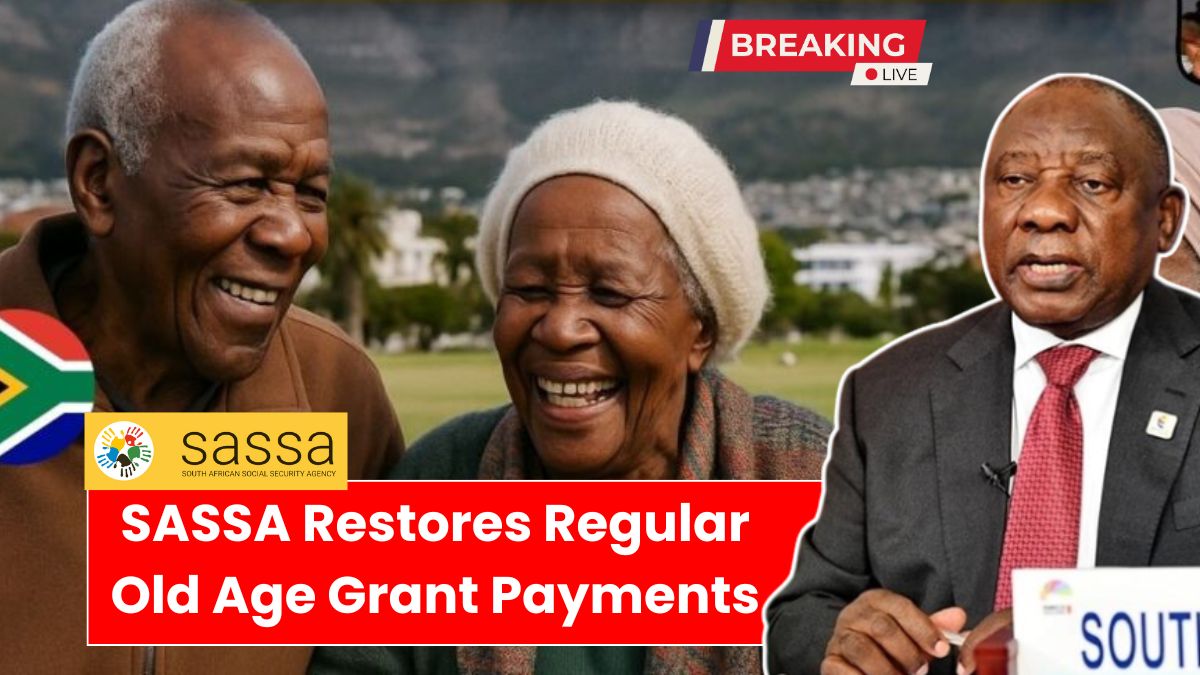
Old Age Grant Payments – Good news has finally arrived for South Africa’s senior citizens and long-time pensioners who depend on the SASSA Old Age Grant to get through each month. After several months of confusion, delays and payment schedule disruptions, SASSA has confirmed that the Old Age Grant is officially returning to its normal four-week payment cycle from November 2025. This announcement brings welcome relief to thousands of older South Africans who rely on these funds for basics like groceries, medication, transport and utilities. The next confirmed payment date is Tuesday, 2 November 2025, signalling a return to stability and predictability for beneficiaries.
For many pensioners, the last few months have been stressful. The shift to a five-week gap between payments caused budgeting problems and forced some seniors to stretch already limited funds even further. With this new adjustment, SASSA is aiming to restore trust and make the payment process smoother and more reliable. The decision reflects the government’s recognition of how critical these grants are to the daily survival of elderly citizens across the country.
Why the Normal Payment Cycle Matters for Pensioners
The return to the four-week cycle means pensioners can plan their finances more effectively. When payments are delayed or stretched across five weeks, it can leave vulnerable seniors struggling to cover essential costs. Many depend entirely on the Old Age Grant for survival, especially those without family support or other sources of income. A predictable schedule helps ensure that food is on the table, medication is purchased on time and municipal bills are paid without the stress of uncertainty.

SASSA has also introduced November 5, 2025, as a backup payment date, which falls on the first Friday of the month. This additional provision ensures that even if technical or administrative issues occur on the main payment day, pensioners will not be left waiting indefinitely. Overall, this change reflects a stronger commitment to improving service delivery and reducing the strain on elderly citizens.
SASSA November Payment Schedule and Improved Stability
The November payment cycle marks a turning point after months of inconsistent scheduling. Problems with system upgrades, banking delays and administrative backlogs had previously impacted the Old Age Grant rollout. By setting November 2 as the primary payment day, SASSA aims to restore consistency and reduce the confusion that previously plagued beneficiaries.
This stability also benefits local businesses, spaza shops and pharmacies that rely on pension spending to stay afloat. When payments arrive on time, entire communities feel the positive impact. The assurance of a reliable schedule not only supports seniors but strengthens the local economies that depend on steady cash flow from social grants.

Updated Eligibility Rules and Income Criteria for 2025
In addition to fixing payment dates, SASSA has made changes to the eligibility requirements for the Old Age Grant in 2025. These updates are designed to help more seniors qualify for much-needed financial assistance. The new annual income limit for single applicants is now R107,800, while married couples can earn up to R215,760 combined. This is an increase from previous years, allowing more people to fall within the qualifying bracket.
Asset limits have also been adjusted to reflect rising living costs and economic realities. Single applicants are now allowed assets worth up to R1,524,600, while married couples can have assets worth up to R3,049,200. These revised limits recognise that many senior citizens may own property or small savings but still struggle to meet day-to-day expenses.
These changes ensure that the Old Age Grant reaches those who genuinely need it. However, SASSA has also increased its verification processes to prevent fraud and misuse. All beneficiaries are required to declare their income truthfully and may be asked to provide updated documentation at their nearest SASSA office. This step helps maintain fairness and keeps the system sustainable for future generations.

How to Access Your SASSA Old Age Grant Payments
Receiving your Old Age Grant has been made easier with multiple payout options available. Pensioners can choose to have their money paid directly into a personal bank account, a Postbank SASSA card or collected in cash at designated pay points and Post Offices. This flexibility ensures that even those in rural areas or without bank accounts can still receive their grant without unnecessary hardship.
It is essential to ensure that your banking details are correct and up to date. You can update this information through the SASSA website or by visiting your nearest SASSA office with the required documents. Incorrect or outdated details can lead to delays or missed payments, which can be stressful for those relying solely on this income.
SASSA also advises beneficiaries not to rush to collect their money on the first day to avoid long queues and overcrowding. Funds remain in the account once deposited, so there is no risk of losing your grant if you collect it a day or two later. This approach helps manage crowds and ensures a safer experience, especially for elderly individuals.

Protecting Pensioners from Unauthorised Deductions
A growing concern among pensioners has been the issue of illegal or unauthorised deductions from grant funds, such as unwanted funeral policies or insurance charges. SASSA has urged beneficiaries to remain vigilant and check their transaction records regularly. If any suspicious deduction is noticed, it should be reported immediately.
Pensioners can lodge complaints directly with SASSA or send an SMS to 34548 with their ID number and the name of the company responsible for the deduction. It is important to know that any approved deductions may not exceed 10% of the total grant amount and must have prior consent from the beneficiary. These protective measures are in place to safeguard vulnerable seniors from exploitation.
Preparing for Payment Day
To ensure a hassle-free experience on payment day, pensioners are encouraged to prepare in advance. This includes confirming personal details, ensuring identification documents are valid, and planning transport to collection points if necessary. Keeping receipts and monitoring balances also helps prevent any confusion regarding payment amounts.

For those using bank accounts, it is advisable to check balances through ATMs or bank apps rather than visiting pay points unnecessarily. This not only saves time but also reduces the risk of theft or scams targeting elderly individuals on payment days.
The Importance of the Old Age Grant in South Africa
The Old Age Grant remains one of South Africa’s most vital social support systems. It provides dignity and financial independence to millions of elderly citizens who have spent their lives contributing to the nation. With rising inflation and the increasing cost of living, this grant plays an essential role in ensuring that seniors can live with a basic level of comfort and security.
By restoring the normal payment cycle and updating eligibility criteria, SASSA is taking meaningful steps to strengthen the social welfare system. These improvements not only benefit current beneficiaries but also set a positive precedent for future policy development.

Looking Ahead with Confidence
The return to a stable payment cycle is a clear sign that SASSA is responding to the concerns of pensioners and working towards a more efficient system. While challenges may still arise, the commitment to improvement offers reassurance to elderly citizens who depend on this lifeline. With reliable payments, clearer guidelines and stronger protection measures, seniors can look forward to a more secure and predictable financial future.
Disclaimer
This article is intended for general informational purposes only and reflects the latest publicly available updates about the SASSA Old Age Grant as of November 2025. While every effort has been made to ensure accuracy, payment dates, eligibility criteria and grant regulations may change without prior notice. Readers are advised to verify details directly with SASSA or through official government communication channels before making financial decisions. The information provided here should not be treated as legal or financial advice.