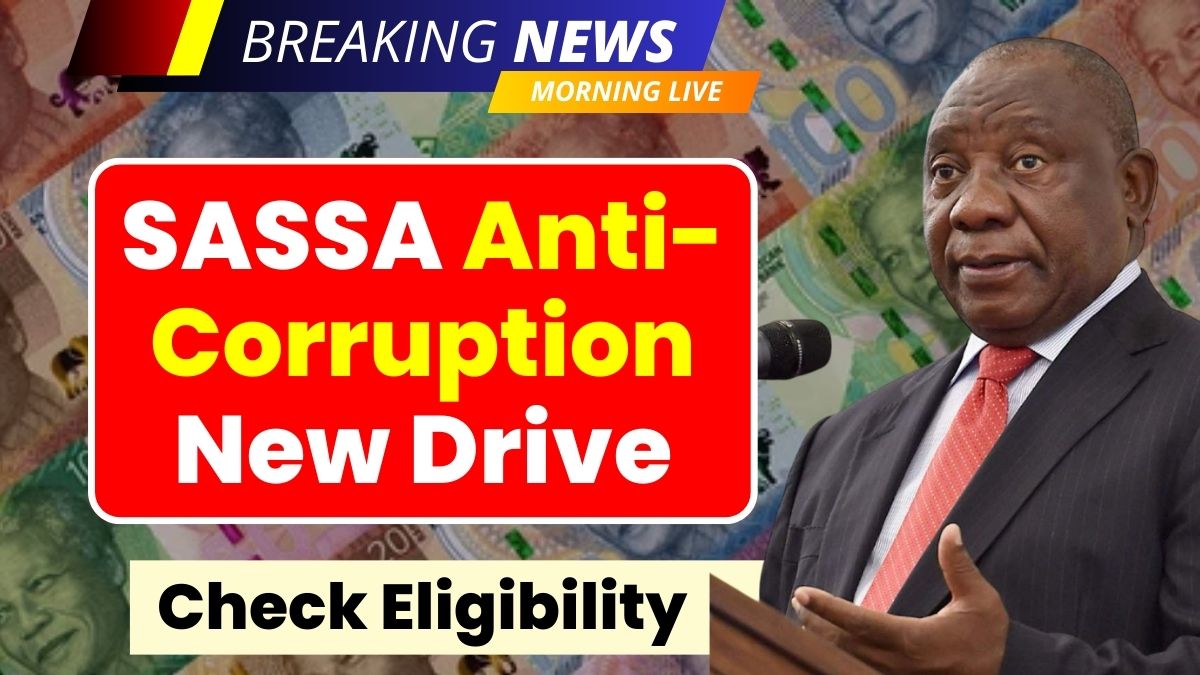
SASSA Anti-Corruption Drive – The South African Social Security Agency, better known as SASSA, has stepped up its fight against corruption and identity fraud in the social relief grant system. With millions of people depending on grants for daily survival, the agency says it is determined to protect the integrity of the system and make sure money reaches only those who truly qualify. This new anti-corruption drive focuses mainly on stopping criminals who use stolen personal information to submit fake applications and unlawfully receive grant payments meant for vulnerable citizens.
Crackdown on Identity Fraud in the SRD Grant Program
SASSA has confirmed that it is making steady progress in reducing cases of identity fraud, particularly within the R370 Social Relief of Distress grant program. Fraudsters have been exploiting personal details of unsuspecting individuals to claim grants, leaving genuine beneficiaries without support. Officials say advanced monitoring systems and tighter verification procedures are now helping them track, identify, and block these illegal applications more effectively. The agency has also increased investigations into suspicious claims and is working closely with law enforcement to hold offenders accountable.
Treasury Steps In with Strict Oversight Conditions
Parliament was informed that the National Treasury has issued additional directives to SASSA as part of its annual budget allocation of R8 billion. These instructions are not optional. They are mandatory conditions tied directly to the release of full funding. The goal is to tighten oversight, reduce loopholes, and ensure the agency maintains a transparent and accountable grant system. By setting these conditions, Treasury aims to make sure every rand is used correctly and reaches citizens who genuinely meet the criteria.

Biometric Verification Completed for SRD Beneficiaries
One of the major steps taken by SASSA involves the completion of biometric verification checks for all SRD grant recipients. This process uses unique biological data such as fingerprints or facial recognition to confirm the true identity of beneficiaries. According to the agency, this full verification sweep was necessary to eliminate duplicate or fraudulent accounts. It now gives SASSA more confidence that each payment is going to a real and eligible person, strengthening the overall credibility of the system.
Quarterly Reporting to Maintain Accountability
To keep the process transparent, Treasury now requires SASSA to submit detailed quarterly reports showing the progress of its verification checks. These reports must prove that all recipients meet eligibility requirements and that identity validation is being carried out correctly. This regular monitoring helps prevent corruption from slipping through unnoticed and ensures continuous checks are in place. It also reassures the public that the agency is taking its responsibilities seriously and not allowing abuse of public funds.
Review Process Triggers Confusion and Long Queues
The first phase of the grant review process affected around 259,000 beneficiaries who were flagged for further verification. These individuals were required to visit their local SASSA offices to confirm their details, which led to overcrowding, long queues, and widespread confusion. Many people were unsure why they were called in, creating frustration and anxiety among grant recipients. Despite the chaos, SASSA insists this step was necessary to clean up the system and prevent ongoing fraud.

Bank Verification and FICA Compliance Challenges
Grants administrator Brenton van Vrede explained that checking beneficiaries’ bank accounts for additional income at the time of registration was not always practical. He noted that banks need time to provide income data and confirm account details. To fix this, SASSA has updated its system to only verify accounts that are fully FICA compliant. This means if an account has not completed all legal identification requirements, no money will be transferred, helping to reduce the risk of payments going to fraudulent accounts.
Thousands of Grants Suspended During First Phase
As a result of the initial review, more than 34,000 grants were either suspended or allowed to lapse. Additionally, 8,500 beneficiaries experienced reduced grant amounts after income verification checks showed changes in their financial status. While these measures caused concern among some recipients, SASSA maintains that this step was essential to ensure fairness and prevent misuse of funds by individuals who no longer qualify.
Second Phase to Focus on Child Support Grants
SASSA has now confirmed that the second phase of its anti-corruption and verification drive will mainly target child support grants. The agency plans to send out around 150,000 notifications to beneficiaries during September and October. These messages will instruct selected recipients to verify their details and prove continued eligibility. This large-scale effort shows SASSA’s commitment to tightening control over one of the most widely accessed grant categories in the country.

Strengthening the System for the Future
Although the process has created short-term inconvenience for many, SASSA believes these stricter measures will help build a stronger and more secure grant system in the long run. The agency insists that protecting grant funds from fraud is essential to ensuring that South Africa’s most vulnerable citizens continue receiving the support they need without disruption.
Disclaimer
This article is for informational purposes only and does not replace official communication from SASSA or the National Treasury. Grant policies, eligibility criteria, and verification procedures may change over time. Beneficiaries are advised to consult official SASSA channels or visit their nearest office for accurate and up-to-date information regarding their grants and application status.